
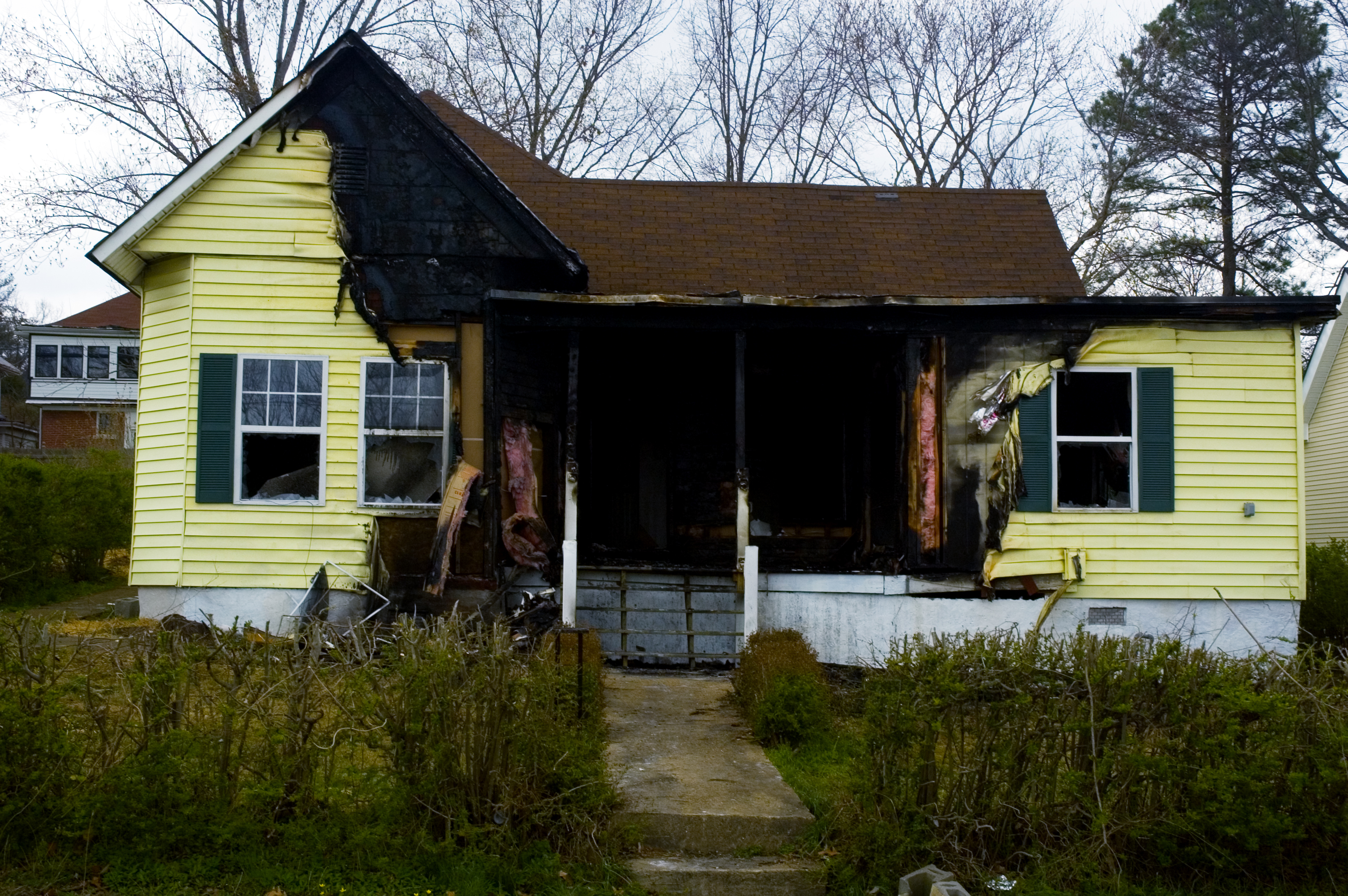
Yes, you can sell a fire-damaged house in Texas, with or without repairs: repair and list it, sell it as-is to a cash buyer, or sell the land. You can compare these paths while your insurance claim is still open, as long as you disclose the fire and keep your insurer and lender informed.
JZ Home Buyers, a locally owned Dallas-Fort Worth cash buyer with a 5.0-star Google rating from more than 160 reviews, buys fire-damaged houses as-is with no repairs, cleaning, or agent commissions. Call 817-382-3579 or request a free cash offer to see your numbers first.
- Texas disclosure rules ask what you know about the fire. They do not require you to repair the house before you sell.
- Tell your insurer first. The Texas Department of Insurance advises holding off on permanent repairs until your company says it is OK.
- If you have a mortgage, the claim payment may go to your lender, which must contact you within 10 days to release repair funds.
- An as-is cash sale can close in as little as 7 days and skips repairs, permits, and showings.
What Counts as a Fire-Damaged House?
A fire-damaged house is any home where fire, smoke, soot, or the water used to put out the fire has harmed the structure, systems, or contents. The damage can be small, like a kitchen fire that stayed in one room, or severe enough to make the house unlivable. It usually falls into three layers.
Damage layer | What it affects | Why it matters when you sell |
|---|---|---|
Fire and heat | Framing, roof deck, wiring, windows, HVAC | Structural and electrical damage can make a home unsafe to occupy and hard for a buyer to finance. |
Smoke and soot | Drywall, insulation, ductwork, flooring, belongings | Odor can linger after cleaning and spread through the air system. |
Water from firefighting | Ceilings, subfloors, walls, insulation | Wet materials can grow mold if they are not dried within 24 to 48 hours, according to the EPA. |
Texas also treats a past fire as a disclosure item. The Seller’s Disclosure Notice in Texas Property Code Section 5.008 asks sellers about previous fires so buyers know what to expect.
What Causes House Fires in North Texas, and Why Fall Matters
Most home fires start with everyday activities. NFPA statistics for 2020 to 2024 show that cooking equipment was involved in nearly half of U.S. home structure fires, and heating equipment is another leading cause.
- Cooking: the most common cause of home fires, with unattended cooking a frequent factor.
- Heating: nearly half of home heating fires happen from December through February, and space heaters and heating stoves account for the largest share.
- Candles and decorations: candle fires peak in December and January.
- Electrical faults: worn wiring, overloaded circuits, and faulty equipment can start fires in any season.
In North Texas, furnaces, fireplaces, and space heaters usually come back into use with the first freezes, which tend to arrive between late October and November. The National Weather Service Fort Worth office posts local forecasts and freeze warnings. If a fire has already happened, the same season also affects how fast you should secure and dry the house.
Warning Signs the Damage Is Bigger Than It Looks
Some problems do not show up until days or weeks after a fire. Watch for these signs:
- Smoke odor that returns after cleaning, which can mean soot in insulation or ductwork.
- Soot on vents, registers, or around the air handler.
- Sagging ceilings, bowed walls, or charred framing. Structural movement is also covered in our guide to selling a house with foundation issues in Texas.
- Breakers that trip, outlets that feel warm, or wiring that was exposed to heat.
- A musty smell, damp drywall, or soft flooring from firefighting water. See our page on selling a water-damaged house.
- A claim estimate far below contractor bids, or a lender holding the claim check for a long time.
These signs do not mean a sale is impossible. They help you decide whether repairing, selling as-is, or selling the land makes the most sense.
DIY or Professional Help? What You Can Handle and What to Hand Off
Task | What you can usually do | When to call a professional |
|---|---|---|
Document the loss | Take photos and video, list damaged items, and keep receipts. | Ask your insurer what proof it needs for larger losses. |
Insurance claim | Call your insurer promptly and keep notes. TDI says to hold off on permanent repairs until your company says it is OK. | An attorney, or a complaint to TDI, if the claim stalls. |
Securing the property | Cover openings with a tarp as a temporary repair, which TDI lists as a way to prevent more damage. | A board-up or fencing company for broken doors, windows, or hazards. |
Soot and odor | Wipe non-porous items and remove standing water. | A restoration company for soot, odor, and HVAC cleaning. |
Electrical and gas | Nothing. Keep power and gas off until they are cleared. | A licensed electrician and the gas utility. |
Structure | Look only from safe areas. | A structural engineer or the city building inspector. |
Mold | Small hard-surface areas, following EPA guidance. | A contractor if mold covers more than 10 square feet or the water was contaminated. |
Selling | Listing after repairs is a workable route. | A cash buyer if you want to skip repairs. |
Your Options for Selling a Fire-Damaged House
The right path depends on how bad the damage is, how much time you have, and what your insurance and mortgage allow.
Path | Best when | Main advantages | Main trade-offs |
|---|---|---|---|
Repair, then list | Damage is limited, the claim is paid, and you have time. | Widest buyer pool, including buyers using mortgages. | You manage contractors, permits, and carrying costs. |
Sell as-is to a cash buyer | You want speed, certainty, or no repair work. | No repairs, showings, or lender approval; flexible closing. | The offer reflects the damage and repair scope. |
Sell the land | The structure is a total loss. | The buyer handles demolition and rebuilding. | The offer reflects the lot, and demolition rules apply. |
Keep and rebuild | You want to stay. | Full control of the result. | Requires time, funds, permits, and temporary housing. |
Option 1: Repair and List
Repairing works best when damage is limited and you can wait for the claim. You open the sale to buyers who use mortgages, but you also take on contractor schedules, inspections, and months of mortgage, tax, and insurance payments. Listing with an agent is not the only route; see our guide to selling a house without a realtor in Texas.
Option 2: Sell As-Is to a Cash Buyer
A cash buyer purchases the house in its current condition, so there are no repairs, showings, or lender delays. We review the damage, the repair scope, and local sales, then make a no-obligation offer; our guide explains how cash home buyers calculate an offer. You can see how we handle these sales on our page for selling a house after fire damage.
Option 3: Sell the Land
If the house is a total loss, a builder or investor may buy the lot and handle demolition and rebuilding. Demolition requires city permits, and a burned structure left standing can raise safety and code issues, so buyers factor those into their offers.
How Your Insurance Claim and Mortgage Fit In
- Report the loss right away. The Texas Department of Insurance advises taking photos and video, preventing more damage with temporary repairs, and keeping receipts.
- Know the deadlines. TDI says your insurer has 15 business days to acknowledge your claim, 15 business days to decide once it has the information it needs, and five business days to pay after it agrees to pay.
- Expect the lender to be involved. If you have a mortgage, the insurer usually sends the payment to your mortgage company, which must contact you within 10 days to release the money for repairs.
- Ask before you sell. Ask your adjuster and lender in writing how a sale would affect the claim and any funds the lender is holding.
None of this stops you from collecting offers. It does mean you should line up the claim, the mortgage payoff, and the closing date with your insurer, lender, and title company.
What Texas Requires You to Disclose
A seller of residential property with no more than one dwelling unit must give the buyer a written Seller’s Disclosure Notice under Texas Property Code Section 5.008. The notice covers the seller’s knowledge of conditions, including previous fires, and the seller completes it to the best of their belief and knowledge, marking items unknown when they truly do not know.
Disclosure protects you as much as the buyer. A clear record of what happened, what was repaired, and what was not helps avoid disputes later. If you are unsure what to write, a Texas real estate attorney or your title company can help. This is general information, not legal advice.
Steps to Sell a Fire-Damaged House in Texas
- Confirm everyone is safe and the fire department or city inspector has cleared the property for entry.
- Notify your insurer and lender, and write down your claim number and adjuster contact.
- Secure the property and keep receipts for temporary repairs.
- Collect your documents: insurance policy, claim letters, the adjuster’s estimate, mortgage statement, and any fire department report.
- Compare the claim estimate with contractor bids and a cash offer.
- Choose repair, as-is sale, or land sale, and complete the Seller’s Disclosure Notice with the fire noted.
- Close with a title company, which coordinates the mortgage payoff and any lien releases.
Local Context: Fire-Damaged Houses in Dallas-Fort Worth
Rules differ by city, so check yours before you start repairs or leave a damaged house empty. A few examples from North Texas:
- Arlington: the city’s code compliance FAQ says vacant buildings must be secured against unauthorized entry and that Code Compliance works with owners to keep vacant structures safe.
- Frisco: the Code Enforcement Division handles vacant buildings, debris, unsecured swimming pools, and substandard or dangerous structures.
- McKinney: Code Compliance applies the International Property Maintenance Code and a substandard buildings ordinance.
- Denton: the city’s property maintenance office addresses dilapidated structures, tall grass, trash, and junk vehicles.
- Dallas: the City of Dallas guidance for damaged single-family homes says repair work generally needs a permit, with siding, sheetrock, and window replacement typically exempt and structural repairs not.
If a city notice is part of your situation, our guide to dealing with code violations as a seller explains the common steps. If the house will sit empty while you decide, read about selling vacant property fast.
We buy fire-damaged houses across Dallas-Fort Worth, including Fort Worth, Irving, Plano, and Garland.
Frequently Asked Questions
Can you sell a fire-damaged house in Texas?
Yes. You can repair it and list it, sell it as-is to a cash buyer, or sell the land. Texas asks you to disclose what you know about the fire, but it does not require you to repair the house before selling.
Do I have to disclose fire damage when selling a house in Texas?
Yes, in most residential sales. The Seller’s Disclosure Notice under Texas Property Code Section 5.008 asks about previous fires. You complete it to the best of your knowledge and mark an item unknown if you truly do not know. A Texas real estate attorney can confirm what applies to your sale.
Can I sell a fire-damaged house before my insurance claim is settled?
Often yes, but talk to your insurer and lender first. Ask in writing how a sale would affect the claim and any funds your lender is holding. Cash buyers can discuss a house with an open claim.
Who gets the insurance check if I have a mortgage?
The Texas Department of Insurance says the insurer will usually send the payment to your mortgage company. The mortgage company must contact you within 10 days of receiving it to release the money for repairs.
How long does an insurer have to pay a fire claim in Texas?
TDI lists three deadlines: 15 business days to acknowledge your claim, 15 business days after it has the information it needs to decide, and five business days to pay after it agrees to pay. Some situations, such as suspected arson, can extend these timelines.
Will a bank finance a fire-damaged house?
Many lenders will not finance a house that is unsafe or unlivable, so buyers of fire-damaged homes often pay cash or use renovation financing. That narrows the buyer pool, which is why many owners choose an as-is cash sale.
Do I need a permit to repair fire damage in North Texas?
It depends on the work and the city. The City of Dallas says repair work generally requires a permit, while replacing siding, sheetrock, or windows typically does not and replacing structural members does. Call your city’s permit office before you hire a contractor.
Can I sell just the land if the house is a total loss?
Yes. A buyer can purchase the lot, then handle demolition and rebuilding. Demolition and rebuilding involve city permits, so buyers consider those requirements when they make an offer.
What if the city declares my fire-damaged house dangerous?
Cities can require owners to secure, repair, or remove dangerous structures. You can still sell, and we can discuss buying a house with an open notice and handling the corrections after closing. Our guide to selling a condemned house explains the options.
Does smoke odor hurt the sale of my house?
It can. Smoke odor can stay in drywall, insulation, carpet, and ductwork even after cleaning, and buyers notice it quickly. An as-is sale lets the buyer handle odor treatment after closing.
How fast can a cash buyer close on a fire-damaged house?
We can close in as little as 7 days, or on a later date you choose. The timeline depends on title work, your mortgage payoff, and any open insurance claim, and we explain what to expect at the start.
Do I need to clear out burned belongings before I sell?
No. We buy fire-damaged houses with belongings inside. If you have an insurance claim, keep damaged items until your adjuster has documented them, then leave whatever you do not want and we will handle it after closing.
What if firefighting water caused mold?
The EPA advises drying water-damaged areas and items within 24 to 48 hours to prevent mold. Large areas or contaminated water call for professionals, and an as-is sale means you do not have to complete the cleanup yourself.
Can I sell a fire-damaged rental with tenants?
Yes, though a fire may displace tenants and affect the lease. We buy rentals with tenants or vacant units and review the lease details at the walkthrough. A Texas attorney can advise on lease and deposit questions.
How does JZ Home Buyers decide on an offer for a fire-damaged house?
We look at the extent of the fire, smoke, and water damage, the repairs needed, the neighborhood, and recent comparable sales. We explain how we reached the number, and every offer is no obligation.
When to Call JZ Home Buyers
If you would rather not manage contractors, permits, and months of carrying costs, a cash sale as-is can be a calmer path. You work with the same local team from the first call to closing.
What We Offer | What It Means for You |
|---|---|
5.0-star rating on Google from more than 160 reviews | Real homeowners share their experience publicly, so you can read before you call. |
Locally owned and operated in Dallas-Fort Worth | You work with a local team, not a distant call center. |
We buy fire-damaged houses as-is | No repairs, cleaning, or odor treatment before you sell. |
No agent commissions or fees to us | The offer we make is the amount you receive at closing. |
Closing in as little as 7 days, or on your timeline | You choose the date that fits your insurance and move. |
All-cash purchase | No lender approval, appraisal, or financing delays. |
Reputable local title company handles closing | The mortgage payoff and paperwork are handled professionally. |
Open insurance claims are fine to discuss | You do not have to wait for the claim to finish to get an offer. |
No-obligation written offer | You decide whether it fits, with no pressure. |
Do not just take our word for it. Read what homeowners say in our Google reviews, learn more about our local team, and see how our selling process works.
Get a Cash Offer for Your Fire-Damaged House
JZ Home Buyers, rated 5.0 stars on Google, buys fire-damaged houses across Dallas-Fort Worth as-is, with no repairs, cleaning, or agent commissions. Call 817-382-3579 or request your free cash offer and tell us about your property.